

Private Ford Simmons Johnson 57996, Machine Gun Corps (Infantry)
- Rank
- Private
- Name
- F S JOHNSON
- Regiment
- Machine Gun Corps (Infantry)
- Date of Death
- Died 15 November 1918
Early Life:
Ford was born on 17th January 1897 in Middle Lane, South Shore, Blackpool, Lancashire to Thomas, a farm labourer and Margaret (nee Rawcliffe). He was baptised at St. Paul’s Church, Marton, Blackpool on 14th March 1897. He was the 7th child born to Thomas and Margaret and had 8 siblings. ½ brother William, who’s mother, Ann (nee Dixon) died shortly after William was born, his father remarried and went on to have Robert, John, Richard, Ann, Isabella, Annie and Ford's younger brother, Thomas.
In 1901, the family was living at 1, Peddars Lane, Marton with his parents and 4 of his siblings.
By 1911, Ford, now aged 14 was still at school and living with his parents, 2 brothers, Robert and Richard and two sisters, Isabella and Annie at Spar Farm, Middle Lane, South Shore Blackpool.
It is unsure when Ford enlisted as his records do not appear to have survived but he was enlisted in the Machine Gun Corps (Infantry).
Military Service:
On the outbreak of war in 1914 the British Army had no dedicated machine gun unit. It quickly became apparent the machine gun was the dominant weapon in trench warfare on the Western Front, and a specialist unit was required to further develop the machine gun and train soldiers on how to operate them. This specialist unit was the Machine Gun Corps and was formed by Royal Warrant on 14th October 1915 and training was conducted at Belton Park in England and Wisques, France.
The Infantry branch combined battalion machine gun sections into brigades and these were responsible for providing intense fire support and defensive barrages. The soldiers in these battalions were often under heavy enemy fire and earned the nickname, ‘The Suicide Club’.
It is unknown if Ford served overseas with the MGC, but sometime during his service he was transferred to the 416 Agricultural Labour Corps. This unit was manned by men who were medically unfit for front line service or those that had previous farming experience and their aim was to maintain food production and supply for the war effort whilst maintaining military discipline.
Death and Commemoration:
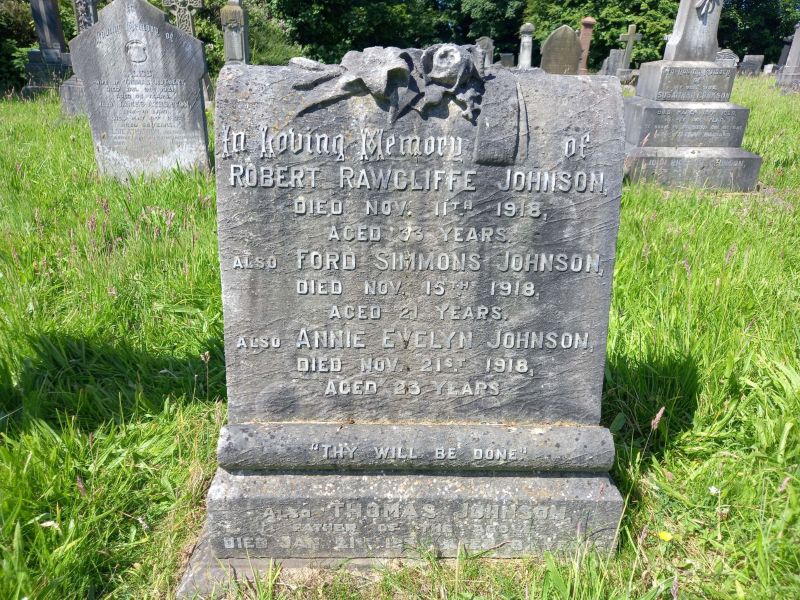
Ford was working on a farm in Lancaster when he was taken ill with ‘Spanish Influenza’. He was transferred to Lancaster Barracks Hospital where he died on 15th November 1918.
Ford’s family had previously suffered the loss of their first son William, who died on 27th August 1917 at Kitchener’s Hospital, Brighton from complications arising from a gun shot wound to the face. The family continued to suffer interminable loss when on 4th November 1918 their son Robert died at home on ‘Spar Farm’ of Spanish influenza quickly followed by the deaths on 11th November of their son Richard and 21st November their daughter Annie, all as a result of the influenza epidemic.
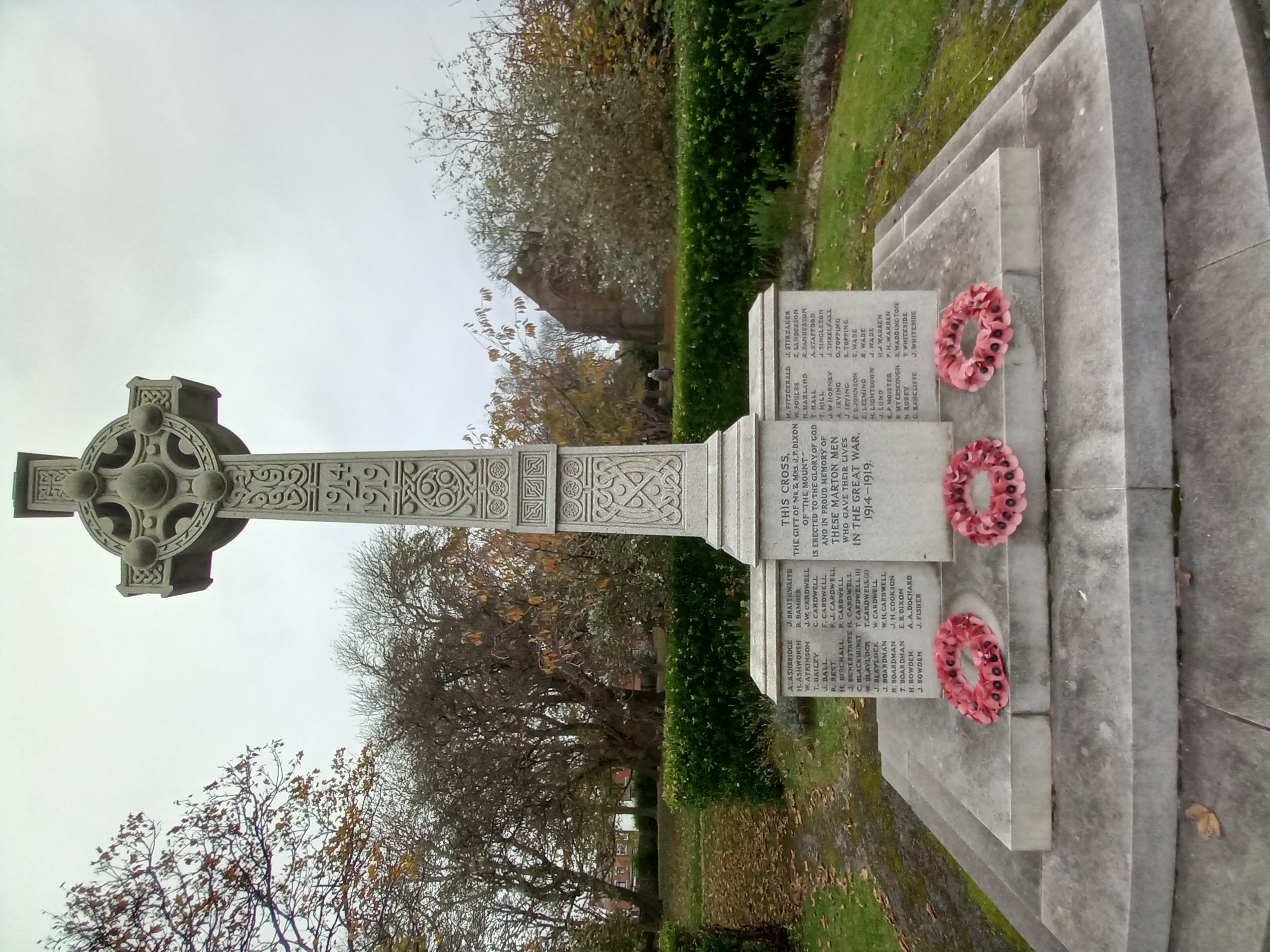
Ford is buried at Marton (St Paul) Church Burial Ground. Marton. Blackpool. Lancashire. Plot IV grave no 14. He is also commemorated on the Marton Cross.
Loading map…

Support the Foundation
By donating to our Charitable Foundation you help us deliver projects like For Evermore, which educate and inspire future generations to remember those who gave their lives in the two World Wars. With your support, we can keep their stories alive and ensure they are never forgotten